
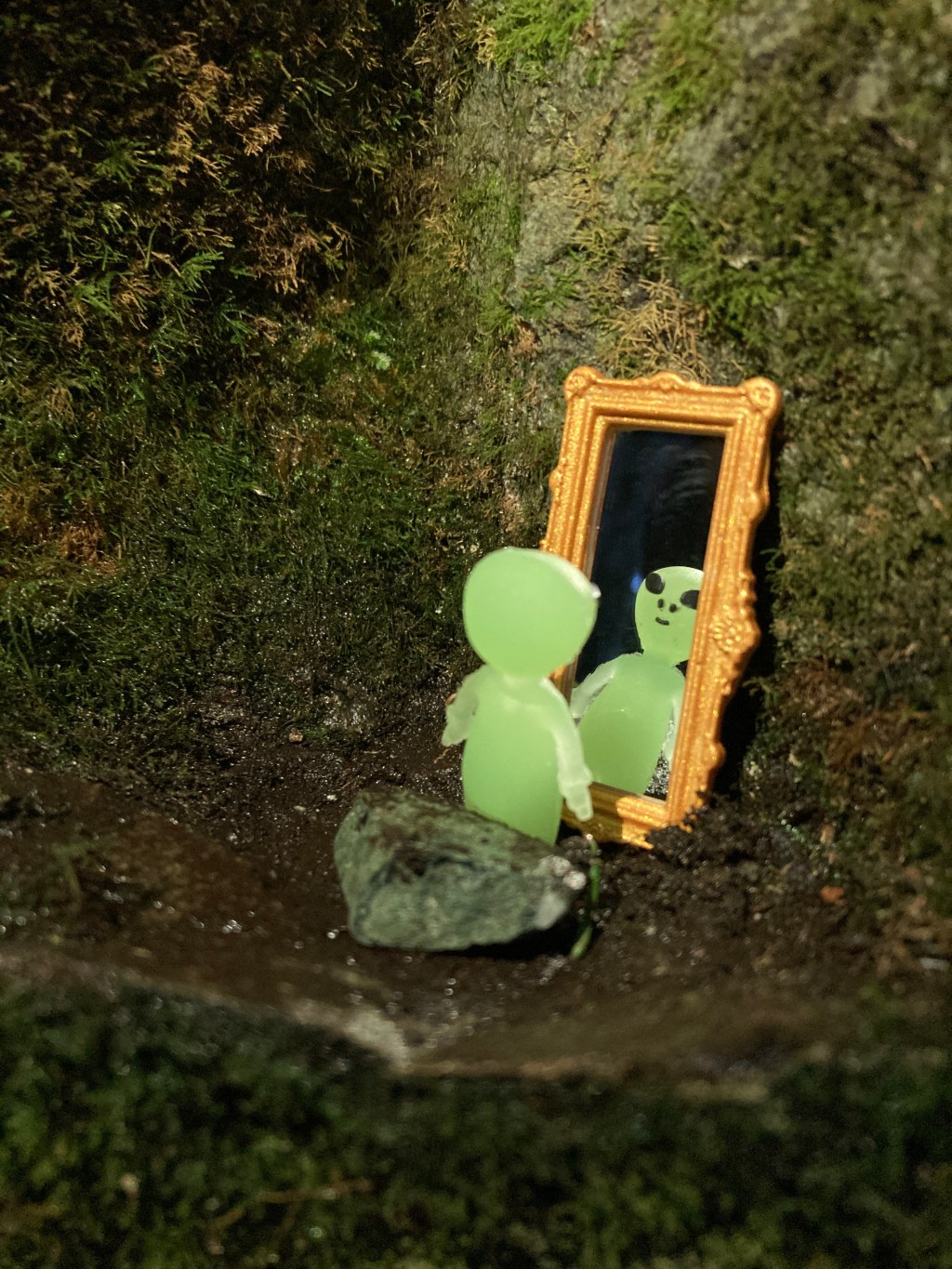
I’m still riffing on Dread, here, since they nailed the essence of horror so well. Seriously, it’s less than 200 pages, and will teach you everything you need to know about telling horror stories.
One principle they include harmonizes so well with what we know about human psychology: The key ingredient for horror is Isolation.
Human brains are built to cope by seeking social support. It’s our primary line of defense. If that isn’t available, primal instincts of fight/flight/freeze/fawn kick in. Adequate social support is also important following a stressful event, as a protective factor against trauma.
So what happens when this resource isn’t available? The scariest kinds of stories.*
Isolation sharpens tension in horror stories to a fine point. It forces readers to confront one of the most frightening questions: what if I am truly alone?
An example that comes to mind: Loop Track. 2023 horror movie about a man experiencing a mental health crisis, who goes on a solo backpacking trip in the New Zealand wilderness. The protagonist experiences something terrifying in the woods, and what makes it even scarier is that none of the other hikers he crosses paths with believe him. Even when he’s with his accidental companions, he is totally alone with his experience. It’s one of the most viscerally tense movies I’ve seen.
Stay tuned for a post on the antidote to isolation (hint: it’s exactly what you think).
* I am speaking in the literary sense, and don’t want to be flippant about the devastating impact of isolation in real life. If you’re experiencing real life isolation, it might be worth checking Psychology Today or other local resources to find mental health support in your area.

